How to Create a Classic Ballpark Hot Dog Experience


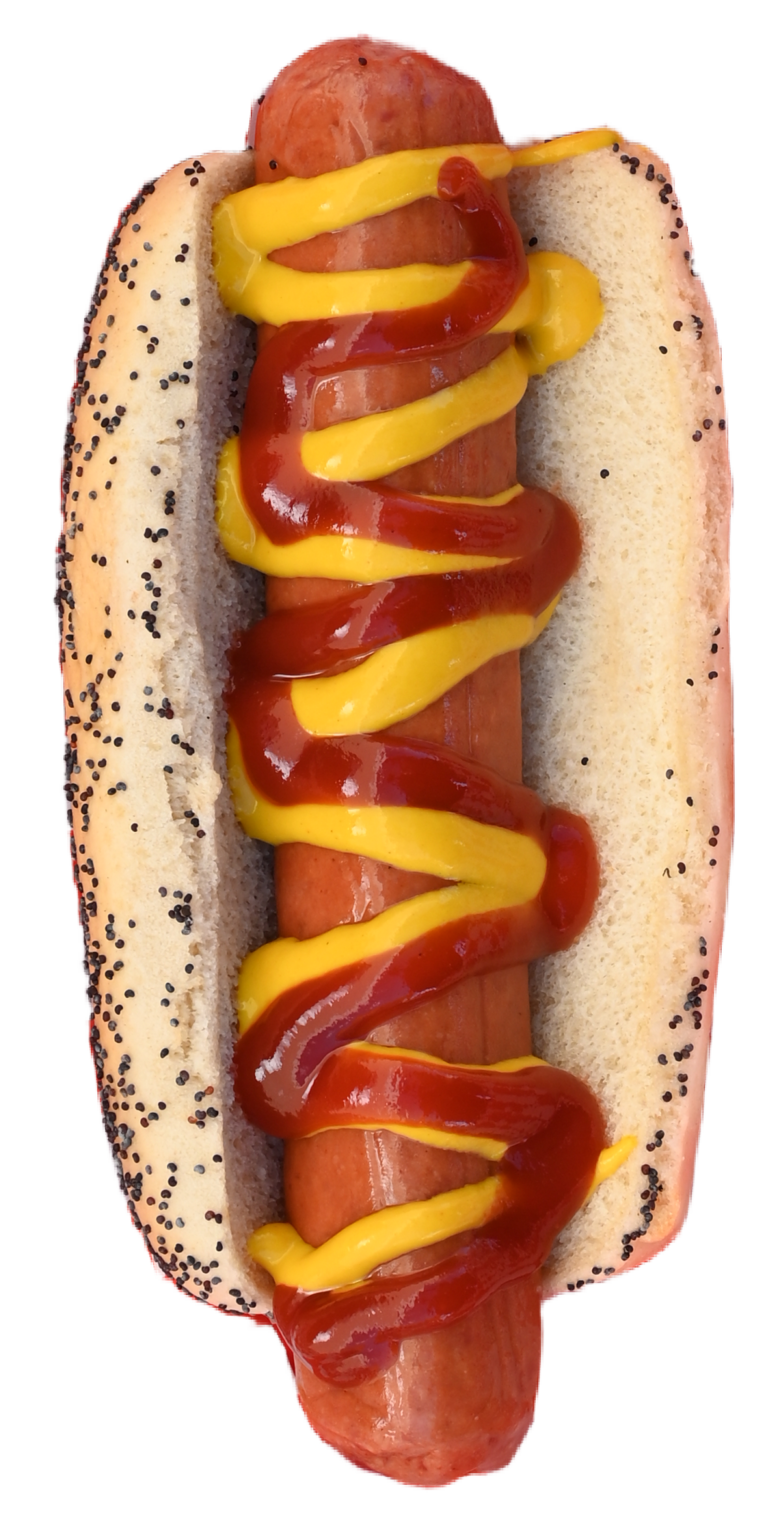
A classic ballpark hot dog is not just a sausage in a bun. It is heat, timing, texture, crowd energy, and a little bit of grease on the fingers. It is the snap when you bite through the casing, the softness of a steamed bun that gives https://maps.app.goo.gl/sQc4uJqEpXEU3Gav6 way without falling apart, the sharp hit of yellow mustard, and the smell that hangs in the air before the first pitch.
People often try to recreate that experience by focusing on one thing, usually the hot dog itself. That matters, of course, but the real trick is orchestration. The best ballpark hot dogs work because every part is modest and well judged. Nothing tries too hard. The bun is not artisanal. The condiments are not precious. The sausage is flavorful but familiar. The serving method is fast, warm, and forgiving. You should be able to hold it in one hand and keep moving.
I have cooked hot dogs for backyard parties, concession-style fundraisers, and casual game nights where the food needed to feed a dozen people without fuss. The setups varied, but the pattern was always the same. When the dog was hot enough, the bun was right, and the toppings were handled with restraint, people lit up. They did not talk about craftsmanship. They just said, “This tastes like the ballpark.”
What defines the ballpark version
The ballpark style is less about luxury and more about familiarity. The hot dog should be beefy, salty, and juicy, with enough spice to taste lively but not enough to pull attention away from the condiments. In many parks, all-beef franks dominate, usually in the six-to-one or eight-to-one size range, which means six or eight links per pound. That gives you a dog substantial enough to feel satisfying, but not so oversized that the bun cannot keep up.
Texture matters just as much. A ballpark hot dog should have casing character, even if it is subtle. The ideal bite has a little resistance, then a clean release. That is why natural casing franks often feel more authentic than skinless ones. Skinless hot dogs can still taste good, but they rarely deliver that classic snap that people remember.
The bun has a quieter role, but it is crucial. It should be soft, lightly sweet, and warm. A cold bun ruins momentum. A toasted bun can be delicious, but it starts moving the experience toward cookout territory rather than stadium territory. Traditional ballpark buns are usually steamed or gently warmed, which keeps them pliable and slightly tacky in the best way.
Then come the condiments. Most classic stadium dogs keep it simple. Yellow mustard is nearly essential. Relish, onions, sauerkraut, and ketchup depend on region and preference, but the overall spirit is the same. Nothing should bury the hot dog. A pile of overloaded toppings can taste good, but it stops reading as classic.
Start with the right hot dog
If you want the most recognizable ballpark flavor, buy a good-quality all-beef frank. Natural casing is worth seeking out if you can find it. Look at the ingredient list and avoid anything that reads watery or overextended. You do not need a boutique butcher. A reliable supermarket brand can work very well if the proportions are right and the flavor is balanced.
Size deserves more attention than it usually gets. A thick, oversized dog can feel fun at first, but it often throws off the ratio between meat, bun, and toppings. Standard-sized franks are easier to manage and taste more like what people expect. If you are serving guests, eight-to-one is a sweet spot. It fits common buns better and cooks evenly without demanding much technique.
There is also a practical reason to avoid giant dogs. Ballpark food is built for convenience. You want guests to be able to dress the dog quickly, carry it without disaster, and take a bite without losing half the toppings into their lap. That is not a small point. A classic experience depends on ease.
The bun is not an afterthought
Good hot dog buns are soft but not flimsy. They should compress slightly when held, then spring back. Cheap buns that crumble or split at the hinge become frustrating after the first bite. Brioche buns can be pleasant, but they often lean too sweet and too rich for a traditional stadium feel. Standard white split-top or side-split buns are usually the right choice.
Freshness matters more than brand prestige. A modest bun that is fresh and properly warmed will outperform an expensive bun that is stale or dry. If the package feels airy and the buns look flattened, move on.
Warming the bun is one of the easiest ways to improve the final result. Steam gives the truest ballpark texture. If you do not have a bun steamer, a simple setup works well. Place the buns in a covered pan or basket over gentle steam for 30 to 60 seconds, just long enough to soften them and wake up the aroma. Do not overdo it. A soggy bun collapses quickly once the condiments hit.
If steaming feels like too much trouble, wrap the buns loosely in foil and warm them in a low oven. That method is less authentic in texture, but still far better than serving them cold.
Cooking methods that deliver the right result
There are several good ways to cook a hot dog, but not all of them create the same kind of experience. Grilling adds smoke and char, which many people love, but a heavily charred dog tastes more like a backyard cookout than a stadium concession stand. For a true ballpark profile, think moist heat first and direct browning second, if at all.
A griddle or skillet is one of the best tools for this job. You can start the franks gently with a small splash of water, cover the pan to heat them through, then uncover and let the water evaporate so the exterior can color lightly in its own fat. That gives you juicy interiors, a pleasant sheen, and just enough browning to deepen flavor without turning the dog into something smoky or crusted.
Simmering also works, especially for serving a crowd. The key is to avoid a full boil. Boiling can split the casing and wash away some flavor into the water. Gentle simmering, held just below a boil, keeps the dogs plump and hot. Some concession-style operations use heated water baths for this reason. It is not glamorous, but it is effective.
Grilling can still be part of the plan if that is what you have. In that case, keep the heat moderate and turn the hot dogs frequently. You want light blistering, not deep black stripes. A little browning is appetizing. Too much char dominates the taste and dries the casing.
For a group, I often use a two-stage method. I heat the franks through in simmering water, then finish them briefly on a flat top or skillet just before serving. That preserves juiciness while adding the subtle exterior texture people like. It also makes timing easier, which matters when several people want food at once.
The five elements that make it feel authentic
- Use an all-beef frank with good seasoning and some casing snap.
- Warm the bun so it feels soft and fresh, never cold.
- Keep the condiments classic and easy to apply.
- Serve the hot dog immediately while the contrast of temperatures and textures is still right.
- Create a little bit of concession-stand atmosphere, even if you are at home.
That last element is often overlooked. Food never exists in a vacuum. A hot dog eaten from a plate with a steak knife is still a hot dog, but it no longer feels like ballpark food. Serve it in a paper tray, a wax-paper sleeve, or even a folded napkin if that is what you have. The food should feel portable and casual.
Condiments, and why restraint wins
Classic hot dog condiments are not complicated, but they do require judgment. Yellow mustard is the backbone because it brings acidity, color, and a clean finish that cuts through the richness of the meat. Relish adds sweetness and a little crunch. Diced onions provide bite. Sauerkraut contributes tang and moisture. Ketchup is divisive in certain regions, but for many people it belongs in the lineup, especially for family-style service where preference matters more than dogma.
The main mistake is excess. A ballpark hot dog is not a loaded sandwich. It should not require two hands and a strategy meeting. Apply condiments in measured amounts so each bite still tastes like hot dog first. If onions are too coarse or too abundant, they dominate. If relish is piled on, the sweetness takes over. If sauerkraut is wet and sloppy, it soaks the bun before the second bite.
Temperature matters here too. Mustard and ketchup can be cool, but onions should not be icy, and sauerkraut is often better when lightly warmed and drained. Cold, dripping toppings fight against the warmth of the frank and bun. A small concession-style setup, where condiments are ready to go and not straight from the back of the refrigerator, makes a noticeable difference.
Building the hot dog so it eats well
Assembly is simple, but there is a right order. Put the hot dog into the warmed bun first, then add condiments in thin lines or modest spoonfuls. If you are using onions and relish together, keep the portions light enough that the toppings stay in the channel of the bun instead of spilling over the sides. If you are using sauerkraut, squeeze or drain it first.
The goal is a hot dog that can survive a few bites without structural failure. This matters more than people think. A lot of what reads as “classic” is really just good concession engineering. The bun acts as a cradle. The hot dog should sit deep enough to feel stable. Toppings should cling rather than slide.
There is also a pacing issue. The best hot dog setups let people dress their food quickly and move on. If guests have to hunt for spoons, shake watery bottles, or ask where the napkins are, the mood shifts from easy to fussy. Keep the station obvious and compact.
Regional styles can fit, but know what you are aiming for
Part of the charm of the American hot dog is that every region thinks it has the proper version. Chicago has its garden of toppings and very specific rules. New York leans toward mustard, onions in sauce, and sauerkraut. Detroit has the Coney tradition. The South might welcome chili and slaw. None of these are wrong, but not all of them read as a generic “classic ballpark” dog.
If your goal is broad ballpark familiarity, stay near the center. Yellow mustard, relish, onions, and sauerkraut cover most expectations without turning the meal into a regional statement. If you want to nod to a local style, do it as an option rather than the default. That way the base experience remains recognizable.
This is especially useful when serving a mixed crowd. Some guests want nostalgia, not novelty. Others like to customize. A restrained core setup satisfies both groups.
Drinks, sides, and the surrounding details
The hot dog may be the star, but the full ballpark experience depends on the company it keeps. A stadium-style meal tends to favor sides that are salty, familiar, and easy to handle. Potato chips are arguably more authentic than elaborate fries because they require no timing, no basket, and no balancing act. Peanuts fit the setting beautifully. Soft pretzels also make sense if you want to expand the menu without complicating the kitchen.
Drinks should follow the same logic. Beer works for many adults, especially light lagers that do not bulldoze the food. Lemonade, cola, root beer, and sparkling water all fit naturally. If you are hosting families, a self-serve cooler with ice does half the atmospheric work for you.
Presentation helps more than expensive ingredients do. Paper trays, disposable food boats, deli paper, napkin dispensers, and squeeze bottles create a subtle but immediate cue. Music from the game on television, even at low volume, adds context. If kids are around, a bowl of shelled peanuts and a stack of striped paper trays can do more for the mood than any specialty topping.
Common mistakes that pull it away from the ballpark
- Overcooking the hot dog until it bursts and dries out.
- Using a cold or stale bun.
- Loading on too many toppings, especially wet ones.
- Choosing smoky, heavily charred grilling as the dominant flavor.
- Serving too slowly, so the first dogs cool off while others are still cooking.
That last point is a host’s problem more than a cook’s problem, but it affects quality. Hot dogs are best served in a steady rhythm. If you are feeding more than six or eight people, work in batches and keep the dogs hot in a gentle water bath or covered pan. Warm buns in short rounds. Refill condiments before they are empty. Those details keep the line moving and preserve the mood.
Feeding a crowd without losing quality
The ballpark hot dog is one of the easiest foods to scale if you plan ahead. For ten to twenty guests, count on at least one and a half hot dogs per person if this is the main meal, more if the group includes teenagers or the event runs long. Buns should usually match or slightly exceed the number of franks. Someone always wants an extra.
Set up the flow before you cook. Keep buns together in one area, condiments immediately after, and napkins at the end. If you have room, put toppings in a straight line so people are not crossing over one another. This sounds trivial until the first rush hits and three people are reaching for mustard while someone else looks for onions.
One trick that works very well is to keep the franks hot in a lidded pan with a small amount of warm water once they are cooked. Not enough to submerge and dilute them, just enough to prevent drying while you serve. Another is to pre-open the buns slightly before warming. That small step speeds up assembly and keeps people from tearing the sides apart with cold fingers.
If the event is outdoors, protect the buns from wind and the condiments from direct sun. Relish and onions dry out faster than people expect, and mustard bottles can get messy in the heat. A little shade and a damp towel over certain containers can save the station.
Why simplicity tastes better here
There are foods that reward innovation. The classic ballpark hot dog is usually not one of them. It lives or dies on basic execution. That is part of its appeal. It is democratic food. Familiar, affordable, satisfying, and tied to memory as much as flavor.
When people say they want a ballpark hot dog, they are not asking for surprise. They are asking for recognition. They want the smell that rises from a warm bun. They want mustard with a little bite. They want a sausage that tastes savory and uncomplicated. They want something they can eat while standing up, talking, watching a game, or wandering back to their seat.
That is why the smartest approach is usually the simplest one. Buy solid franks. Treat the bun with respect. Keep the condiments tidy and classic. Serve hot. If you can hear a game in the background and smell mustard the second you walk into the room, you are already most of the way there.
Bringing it all together at home
If I were setting up the most reliable version in an ordinary home kitchen, I would choose natural casing all-beef hot dogs, standard white buns, yellow mustard, sweet relish, finely diced onion, and drained sauerkraut. I would simmer the franks gently until heated through, then finish them for a minute or two on a skillet. I would steam the buns right before serving. I would put everything into paper trays and let people dress their own.
That setup is not fancy, and that is exactly the point. The classic experience does not come from complexity. It comes from getting the small decisions right. Warmth instead of cold. Snap instead of mush. Balance instead of excess. Speed instead of fuss.
Do that, and the hot dog stops being just a quick meal. It becomes what it is supposed to be, a little piece of the ballpark, no ticket required.
Under Construction Hot Dogs
1225 W U.S. Hwy 50, Pueblo, CO 81008
FAQ About hot dog
What are different types of hotdogs?
Under Construction Hot Dogs offers a classic all-beef hot dog, a quarter-pound Jumbo Dog, a Chili Dog, and a Chicago Dog, along with brats and a Spicy Link.
What does a chili dog have on it?
Our Chili Dog pairs a Vienna all-beef hot dog with chili, shredded cheddar cheese, and finely diced onions.
What is in a traditional Chicago dog?
Our Chicago Dog comes on a steamed poppy seed bun with yellow mustard, bright green relish, onions, tomato wedges, a pickle spear, sport peppers, and celery salt.